 ← Histria Classics
← Histria Classics
← Histria Classics
Some books end their era quietly. They go out of print while their influence doesn’t. The word It—meaning magnetic personal charm—came from a novel. The term flapper was shaped by another. Main Street entered the language as shorthand for suffocating small-town conformity. These books are why.
Each Forgotten Classic shaped how people thought, talked, or lived in its era—and then fell out of print while its influence persisted. These aren’t merely obscure books. They’re missing books.
Every edition includes a new introduction restoring the book to its original context: what it meant when it was written, how it was received, and why it matters now. The books speak. We provide the frame.
For readers who already know the works that shaped literary culture—and want to read the works that shaped those works. Forgotten Classics fills a gap no other imprint is filling.
Each Forgotten Classics volume is produced as a deluxe hardcover —
built to be kept, not shelved and forgotten again.
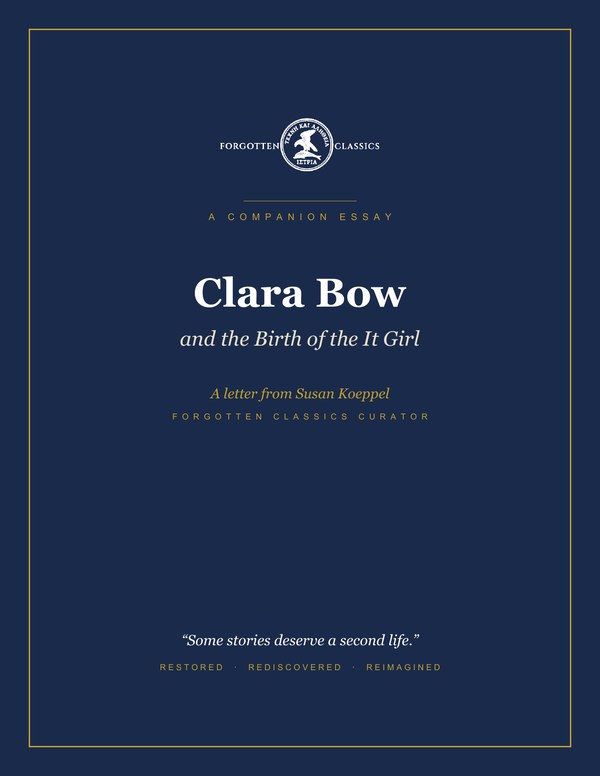
Join the Club and we’ll send you a free copy of Clara Bow and the Birth of the It Girl — Susan Koeppel’s introduction to the woman who gave the Jazz Age its face. You’ll also get first notice of new editions, early access to preorders, and offers reserved for the Club.
By subscribing you agree to receive occasional emails from Histria Books. Unsubscribe any time.
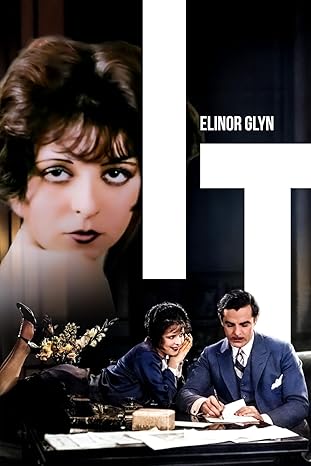
Before “It” was a pronoun, it was a noun. Elinor Glyn coined the word in this 1927 novel—defining magnetic personal charm in a way the language still hasn’t improved on. The Clara Bow film that followed made “It Girl” a permanent fixture of the culture. Glyn was one of the most widely read authors of her era. Then she was forgotten entirely. This is where the series begins.
Read More & Buy →Club members are notified first. Join the Club →
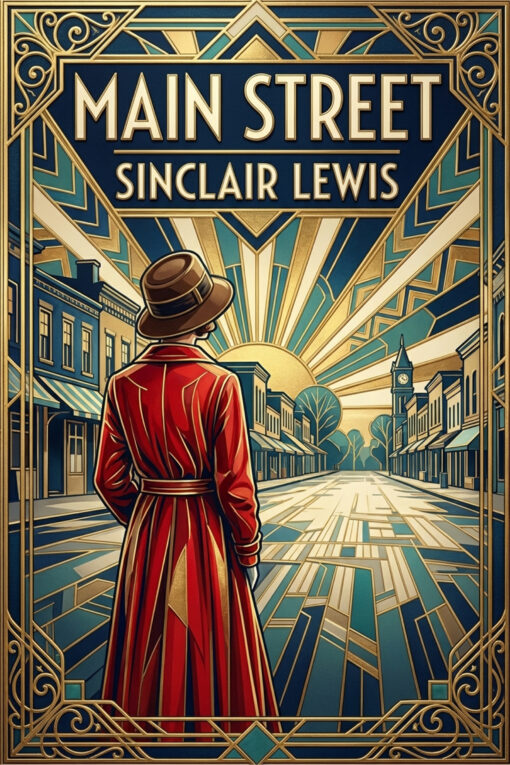
The Pulitzer Prize-winning novel that dissected the conformity of American small-town life—and made Lewis the first American to win the Nobel Prize in Literature.
Read More & Buy →Club members are notified first. Join the Club →
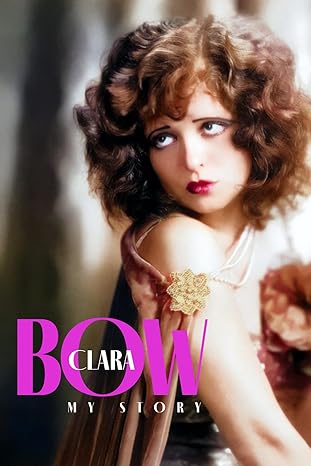
The 1927 Clara Bow film turned IT into a cultural phenomenon and made “It Girl” part of the language. Histria’s companion biography tells the story of the Jazz Age actress who defined an era.
Discover the Book →The scandalous bestseller that launched the flapper as a cultural figure—more honest about postwar disillusionment than anything Fitzgerald wrote in the same years, and far more forgotten.
Join the Club to be notified when this edition ships. Join →
The raw memoir of a hobo’s life on the road that scandalized readers and inspired a film starring Louise Brooks. Tully was called the toughest writer in America — then vanished from print entirely.
Join the Club to be notified when this edition ships. Join →
Bram Stoker read Emily Gerard’s Transylvania — her folklore, her landscapes, her shadows — and then wrote Dracula. Waters of Hercules is the novel he read.
Join the Club to be notified when this edition ships. Join →
Booth Tarkington won the Pulitzer Prize twice — more than Hemingway or Faulkner ever did. Claire Ambler is the Jazz Age novel that should have kept his name alive.
Join the Club to be notified when this edition ships. Join →
